The Birth Control Pill & HPV: Understanding the Link and Protecting Your Intimate Well-Being
HPV (human papillomavirus) is an extremely common infection, affecting nearly 80% of adults at some point in their lives (Source: World Health Organization).
In most cases, the immune system naturally clears the virus. However, a persistent infection can lead to complications such as precancerous lesions and cervical cancer.
For women using hormonal contraception, one question often arises:
Can the pill influence HPV?
In this article, we explore the connection between hormonal contraception and HPV, and share practical ways to care for your health and immunity.
What Is HPV?
HPV is a virus transmitted mainly through sexual contact.
While more than 200 types of HPV exist, only certain high-risk strains (such as HPV-16 and HPV-18) are linked to cervical cancer (Source: Santé Publique France).
Main risk factors include:
-
A weakened immune system
-
A persistent, untreated infection
-
Long-term use of hormonal contraceptives
The Pill and Its Impact on HPV
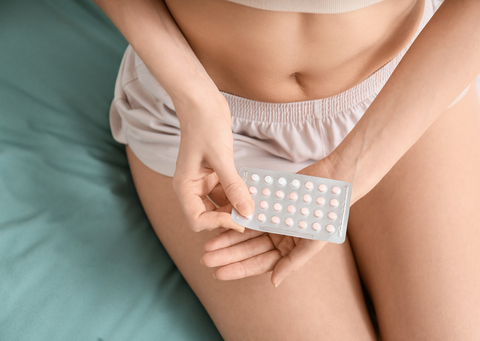
Hormonal birth control (including the pill, patch, or hormonal IUD) works by modifying hormone levels to prevent ovulation.
However, these same hormones can also influence the immune system.
What Do the Studies Show?
⚠️ Increased risk of HPV persistence
Hormonal contraceptives can prolong HPV infections in the body, increasing the risk of cervical lesions (WHO).
A cohort study of 46,000 women found that taking the pill for more than 10 years doubled the risk of cervical cancer.
The risk begins to rise after 5 years of use and gradually decreases after discontinuation.
Hormonal changes can also affect immune activity, reducing the body’s ability to clear the virus.
Impact on Essential Nutrients
Certain vitamins and minerals are crucial for immunity and cell repair:
-
Vitamins A, C, and E: support immune response
-
Folic acid (B9): essential for DNA repair
-
Zinc and Selenium: protect against viral infections such as HPV
According to Nutrition Review, oral contraceptives may cause deficiencies in these micronutrients, all of which are often found to be lower in women with persistent HPV.
Weakened Gut Health
Hormonal contraceptives can disrupt the gut microbiome, leading to imbalance (dysbiosis) and increased intestinal permeability (“leaky gut”) (Source: Gut Microbes).
This imbalance can indirectly weaken immunity and nutrient absorption.
How to Protect Your Health
Even while taking hormonal contraception, there are several effective ways to reduce HPV-related risks.
1. Optimize your intake of essential nutrients
Incorporate supplements rich in vitamins A, C, E, B9, zinc, and selenium
(see our Cellular Regeneration formula).
These nutrients help strengthen the immune system and support your body’s natural ability to clear HPV.
Adopt a balanced, antioxidant-rich diet with foods like red vegetables, nuts, seeds, citrus fruits, and oily fish.
2. Support your microbiome
Add probiotics to your routine to promote healthy gut flora.
Limit ultra-processed foods and red meat, and increase fiber intake (leafy greens, fruits, legumes).
3. Consider non-hormonal alternatives
-
Condoms: reduce the risk of HPV and other STIs (though not 100%).
-
Copper IUD: effective contraception without hormonal disruption (WHO).
4. Vaccination & Screening
-
HPV vaccination protects against the most high-risk strains (Santé Publique France).
-
Regular Pap smears or HPV tests (every 3–5 years depending on age) detect lesions early.
Focus on the Positive: Real Solutions Exist
By taking a proactive, holistic approach, you can strengthen your immunity, reduce HPV-related risks, and maintain long-term intimate health.
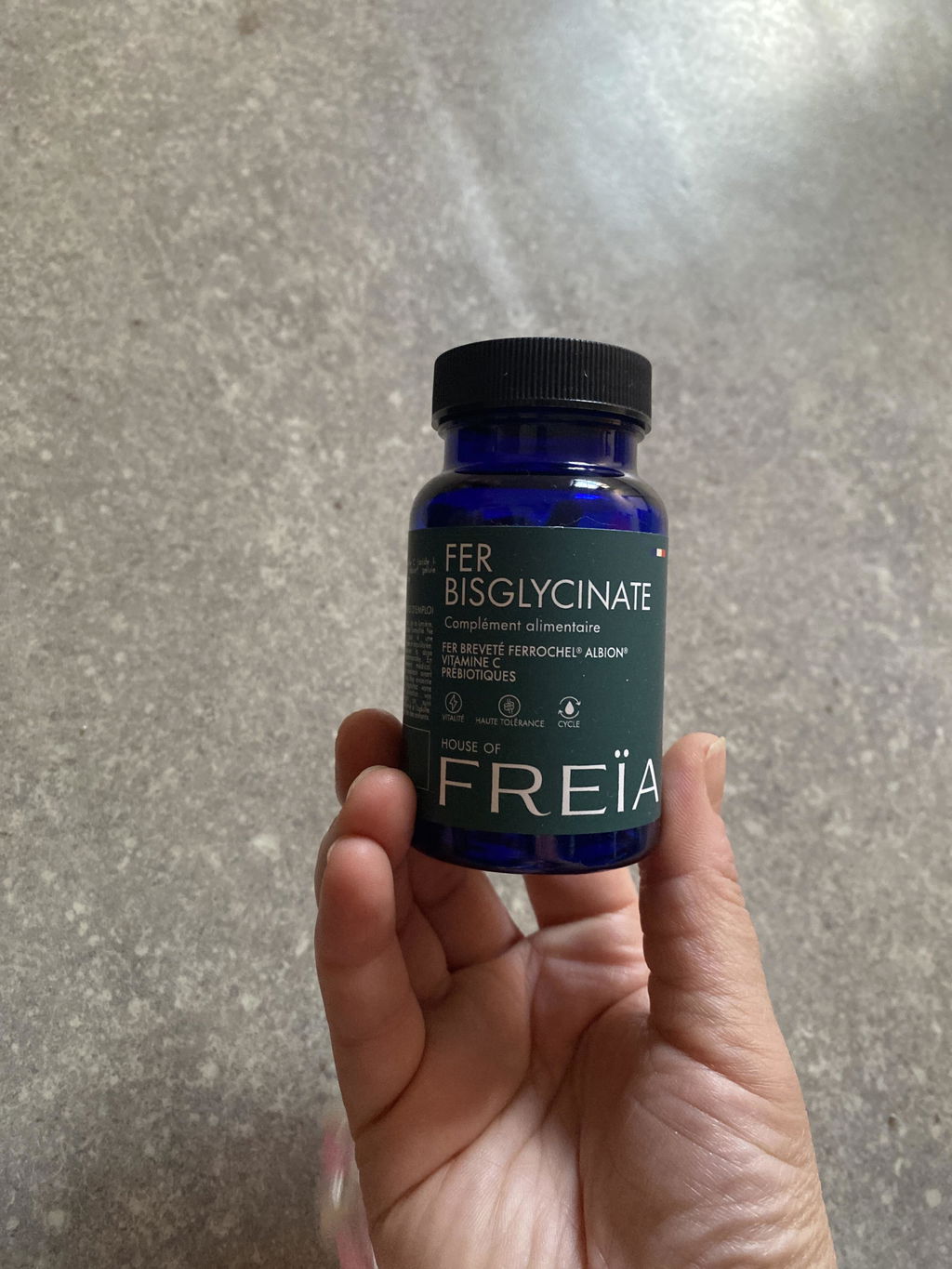
At House of Freïa, our natural supplements are designed to compensate for the nutrient losses linked to the pill and support immune resilience.
👉 Discover our Immune Support range
👉 Explore our Vitamin & Mineral Boost formulas
FAQs: The Pill and HPV
Does the pill protect against HPV?
No. Oral contraceptives do not protect against sexually transmitted infections, including HPV. Using condoms helps reduce the risk.
Can I continue taking the pill if I have HPV?
Yes — but it’s wise to optimize your nutrition, quit smoking, manage stress, sleep well, and discuss alternative options with your healthcare provider.
Conclusion
Hormonal contraception is an important advancement in women’s health — but it requires informed vigilance, especially for women living with HPV.
Long-term hormonal use can raise key questions about female health, immunity, and nutrient balance.
That’s why it’s crucial for every woman to make personalized choices in consultation with her doctor.
By combining nutrition, microbiome care, and medical follow-up, you can protect your well-being and strengthen your natural defenses.
💫 Don’t just be a spectator — become the protagonist of your health.